
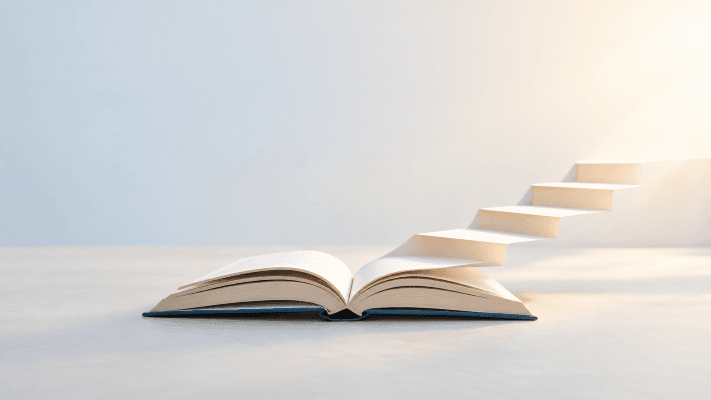
Two Wings
The Last Mile of Literacy
Around the world, roughly 739 million adults still lack basic literacy skills, two thirds of them women, according to UNESCO. That figure gets repeated often. A quieter question gets asked far less: what happens to the children who do learn? What comes after?
That is where this post begins. Learning to read is the start of a path, not its endpoint. The real change, whether economic, social, or personal, happens in what follows.
A Beginning, Not a Conclusion
September 8th marks UNESCO's International Literacy Day, a fitting moment to ask exactly this question. Our earlier posts looked at why literacy matters globally, and at the consequences when it's missing. Those questions still matter. This one asks something different: what actually happens once a child has learned to read?
Public attention tends to stop right there. A literacy rate rises, a program is declared a success, the story feels finished. But for the individual child, this is exactly where the real challenge begins: the path from a basic skill to a genuine opportunity.
What the Last Mile Looks Like
That last mile rarely takes one single shape. Sometimes it means access to secondary school. Sometimes vocational training that connects what a child already knows to a practical trade. Sometimes it is simply a mentor who can show a young person which doors that skill actually opens.
Without that next step, reading stays a skill without direction. With it, it becomes a tool that can change a life.
What This Can Look Like in Practice
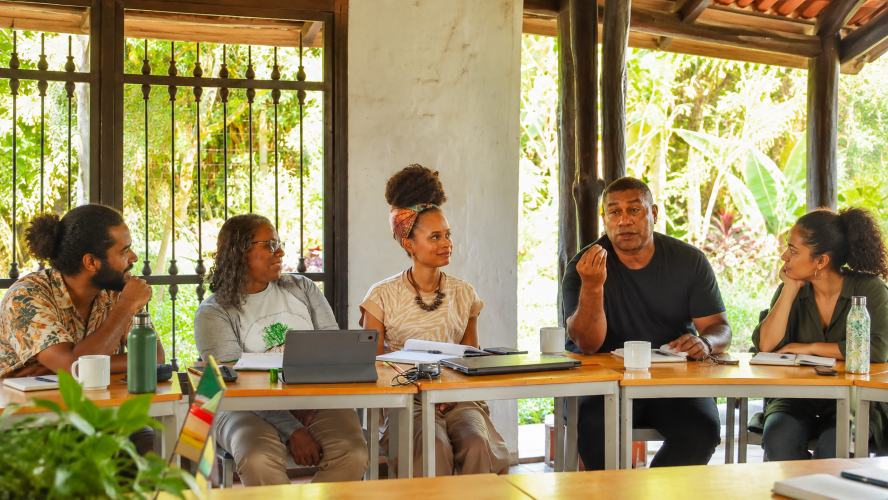
One example of what a next step can look like comes from our partner FUNDAEC's project in Colombia. Under the "Tree Nurseries and Composting" program in North Cauca, in the first year of a three year initiative, 35 participants from 12 communities completed a three month training course, and 31 graduated. Twelve of them are now founding nursery and composting businesses together, and six new local enterprises have already launched.
This project isn't an example of literacy work itself. But it shows the underlying principle this post is about: a first skill only becomes real capability once a concrete next step follows it.
At TwoWings, we help projects that pick up exactly at this point: where a basic skill already exists, but no path yet leads from it to something more. Together with partners like FUNDAEC, we help create the conditions under which a single skill can become a real opportunity.
Why the Last Mile So Often Goes Missing
The reasons this next step doesn't happen are usually plain and familiar: a family can no longer cover school fees, so a child drops out. A secondary school sits too far away to reach. No program exists that fits local circumstances. None of these barriers have anything to do with a child's ability, they sit in the systems built, or not built, around them.
Taking the last mile seriously means asking not just how to teach a child to read, but how to make sure that skill doesn't run out of road.
Between Here and There
In Austria, schools have just opened their doors again for the new year. Full classrooms, new notebooks, a first day back. For most children here, that is something they can take for granted.
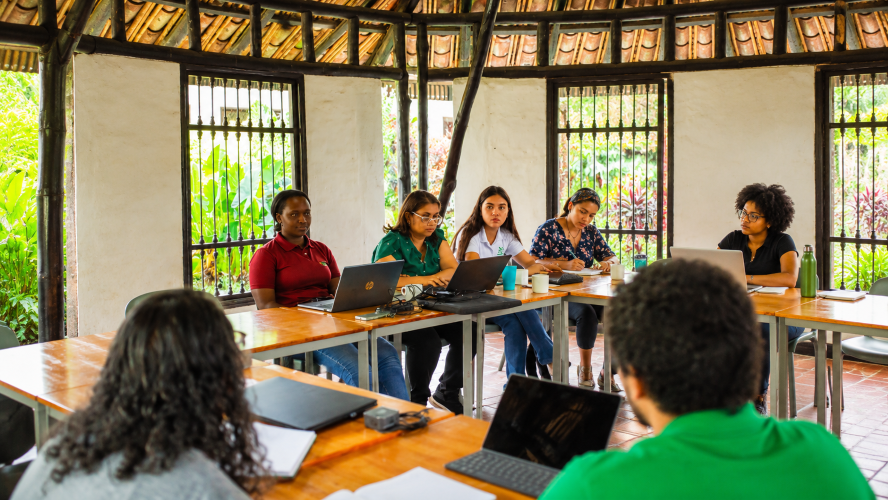
Elsewhere in the world, this is not the case. The path from learning to read to secondary education, vocational training, or a future of their own remains closed to many children, not because they lack ability, but because the necessary structures are missing.
You can help make this path open for other children too, together with partners like FUNDAEC who work to create these next steps. Whether through a donation or by learning more about these stories, every form of support helps strengthen the conditions that allow education to continue. If you would like to learn more, read on.

